
First-Time Landlord Checklist: 30 Days to Rent-Ready

So you’re about to become a landlord for the first time.
Cool. Also, mildly terrifying.
Because it’s not just “put it on Zillow and wait.” It’s keys, smoke detectors, legal stuff, photos, pricing, vendors, screening, move in day, and that one weird drawer you forgot existed until a tenant opens it and goes… what is this.
This is a simple 30 day checklist to get a place rent ready without spinning out. It’s written for a normal human with a job and a life. Not a professional property manager with a clipboard.
A quick note: laws vary a lot by city and state. Use this as your framework, then confirm the local rules. If you’re unsure, a local landlord attorney for one hour is often cheaper than a mistake that haunts you for a year.
The 30 Day Rent Ready Plan (at a glance)
- Days 1 to 3: Paperwork, strategy, baseline inspections
- Days 4 to 10: Repairs, safety, compliance, vendors
- Days 11 to 17: Deep clean, paint, curb appeal, photos
- Days 18 to 23: Listing, marketing, showings, applications
- Days 24 to 30: Screening, lease, deposits, move in setup
You can compress this into two weeks if the unit is already in great shape. Or stretch it to six weeks if you discover plumbing from 1973 doing plumbing things.
Days 1 to 3: Set your foundation (before you touch a paintbrush)
1) Confirm you’re allowed to rent it (yes, really)
- HOA rules, condo bylaws, co op restrictions
- City rental registration requirements
- Short term rental restrictions if you were thinking “maybe Airbnb too”
- Insurance carrier approval if needed
If there’s a license or registration requirement, start that now. Paperwork delays are the silent schedule killers.
2) Decide how you want to run this: DIY or help
Be honest. If you travel constantly or hate dealing with people, a property manager might be worth it. If you’re local and organized, DIY is fine.
DIY means you need:
- A system for maintenance requests
- A way to store receipts, warranties, appliance docs
- A vendor list
This is where HomeShow.ai is actually useful. You can keep home records in one place and build a little “home hub” for the property, so you’re not searching your email for the water heater model number at 9:42 pm.
3) Create a landlord “property file”
Make one folder, digital and physical.
Include:
- Deed, mortgage contact info (if any)
- Insurance policy
- Appliance manuals, warranty info
- Paint colors and finishes used
- Receipts for repairs and improvements
- Utility account details
- A running maintenance log
If you want to be extra practical, add a photo inventory of the unit before move in. It helps later.
4) Do a walk through like a tenant would
Bring a notebook. Or your phone. Better yet, record a slow video walk through.
Look for:
- Loose outlets, flickering lights
- Slow drains, running toilets
- Sticky doors, broken locks
- Bad smells (pet, smoke, mildew)
- Signs of water damage
- Anything sharp, wobbly, or unsafe
You’re not judging. You’re catching surprises before someone else does.

5) Run the basic “big 4” checks
- Water: check shut off valves, look under sinks
- Electric: test outlets, GFCIs, breakers labeled correctly
- HVAC: run heat and AC long enough to confirm it works
- Roof and exterior: if applicable, quick visual check for obvious issues
If you don’t know what you’re looking at, schedule a handyman for an inspection visit. Not a full home inspection necessarily. Just a “catch the obvious landlord nightmares” visit.
Days 4 to 10: Repairs, safety, and compliance (the unsexy part)
6) Handle safety items first. Always.
Non negotiables:
- Working smoke detectors and carbon monoxide detectors (placed correctly)
- Fire extinguisher if required or if you want to be a decent person
- Handrails secure
- Windows open and lock
- No tripping hazards
Also replace any sketchy locks. Tenants should have fresh keys. You should assume old keys are floating around.
For ensuring that your property meets all necessary standards, consider scheduling a multiple housing inspection program.
7) Fix leaks, drains, and toilet issues now
A tiny drip becomes a phone call. Then a second phone call. Then water damage. Then you’re ripping out drywall.
Common cheap wins:
- Replace wax ring or toilet fill valve
- New faucet cartridges
- New sink traps if corroded
- Clean out slow drains properly (not just chemicals)
8) Check for pest entry points
If you had pests before, assume they’ll return.
- Seal gaps under sinks
- Check weather stripping
- Seal around pipe penetrations
- Consider a preventive pest service
9) Confirm habitability standards in your area
Some cities require:
- Minimum heat temperature
- Hot water requirements
- Window screens
- Specific egress rules for bedrooms
- Lead paint disclosures for older homes
- Mold disclosures or remediation expectations
This is the part where you google your city + “rental inspection checklist” and actually read it.
10) Line up your vendor list
You want 3 categories:
- Emergency: plumber, electrician, locksmith
- Routine: handyman, HVAC service, pest control
- Turnover: cleaner, painter, junk removal
If you’re starting from zero, HomeShow.ai can help here too since it’s built around booking local pros with reviews and scheduling. Even if you don’t book through it, use it like a directory that doesn’t feel spammy.
Days 11 to 17: Make it feel clean, calm, and move-in ready
This is where you stop thinking like an owner and start thinking like a renter.
Renters don’t want “charming.” They want clean, functional, safe, and nothing that looks like it will break if they breathe near it.
11) Paint, but don’t overthink it
A fresh coat of paint is still the best ROI for rental readiness.
Tips:
- Neutral color, same finish throughout if possible
- Patch holes properly, sand, then paint
- Paint trim if it’s yellowing or scuffed
Don’t paint over grime. Clean first.
12) Deep clean like you’re prepping for photos, not guests
Pay for a professional deep clean if you can. It usually pays back immediately. This is similar to the preparation process for photos or open houses, which requires thorough cleaning and staging to attract potential renters.
Checklist:
- Baseboards, vents, ceiling fans
- Inside cabinets and drawers
- Oven, fridge, microwave inside and out
- Bathroom grout and caulk
- Windows (at least inside)
13) Replace small stuff that makes a place feel old
These are the little upgrades that make people say “oh this is nice” even if the unit is basic.
- New outlet and switch plates
- Matching cabinet pulls (if current ones are random)
- New shower head
- Fresh caulk line around tub and sink
- Bright, consistent light bulbs (same color temp)
14) Flooring reality check
If carpet is stained and smells even slightly, you will lose good applicants. Or attract the wrong ones.
Options:
- Professionally clean carpet if it’s truly salvageable
- Replace with LVP if budget allows
- Refinish hardwood if it’s decent but tired
15) Curb appeal and entry
Even for an apartment, the entry matters.
- Clean the front door, touch up paint if needed
- Add a new doormat
- Ensure house numbers visible
- Exterior light working
People decide in the first 12 seconds. Sometimes before they even walk in.
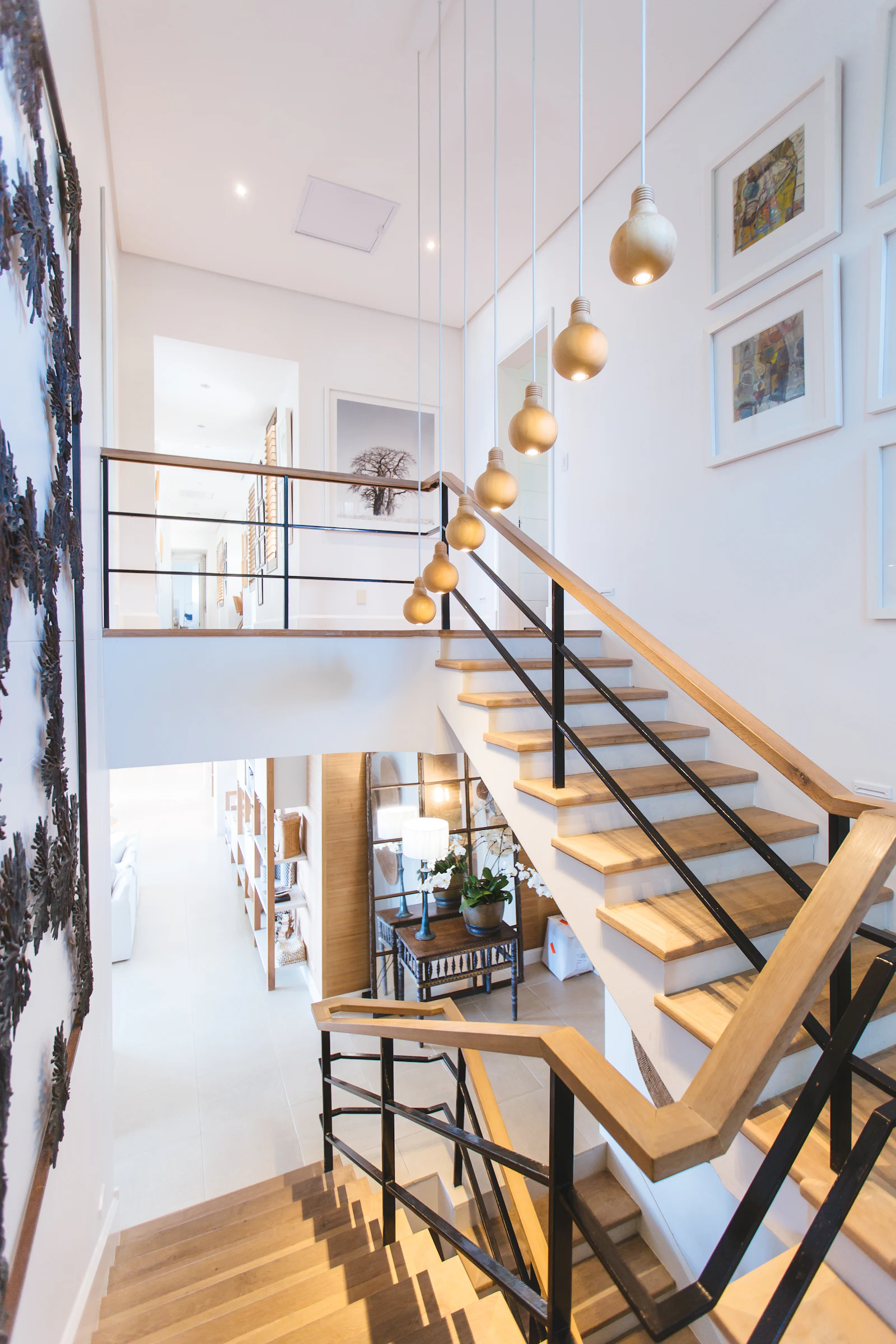
16) Stage it lightly (without buying furniture)
You don’t need full staging.
You do need:
- All lights on
- Blinds open
- Toilets closed (please)
- No trash cans in photos
- A clean shower curtain if it’s staying
17) Get your photos and video
Photos matter more than your description. Like, way more.
Do:
- Wide shots from corners
- Vertical photos too (many platforms favor them)
- A short walkthrough video
- One exterior/entry photo
If you want an easy workflow, HomeShow.ai has photo to listing tools, so you can turn decent photos into a clean product or service style listing without staring at a blank form for an hour.
Days 18 to 23: Pricing, listing, and showings (where money is made or lost)
18) Set your rent price using real comps
Look at:
- Similar size, same neighborhood
- Similar condition (renovated vs not)
- Included utilities and parking
- Pet policy
Don’t just average the highest listings. Those might be sitting for 45 days.
A decent approach:
- Pick 5 true comps that rented recently if you can find them
- Use active listings as backup
- Price slightly under the best comparable if you want fast interest
19) Decide policies before you list
You need to know:
- Pets allowed? what fees? what restrictions?
- Smoking policy
- Minimum credit score (if any)
- Income requirement (common is 2.5x to 3x rent)
- Co signer policy
- Lease length options
Write these down. Consistency helps you stay fair and compliant.
20) Write a listing that doesn’t sound like a robot
Include:
- What it is (bed/bath, approx sq ft)
- The top 5 real selling points
- What’s included (laundry, parking, storage)
- Move in date
- Pet policy
- How to apply
Example of a normal human line that works: “Bright second floor unit, quiet street, 8 minutes to downtown, and the kitchen is actually a kitchen you can cook in.”
21) Post your listing and track inquiries
Where to post depends on your area, but you want:
- One or two major rental platforms
- Local Facebook group if it’s common in your city
- Your own shareable link
If you use HomeShow.ai to create a listing, it can also double as a clean “share this” link for people who message you from random places. Less chaos in your DMs.
22) Schedule showings in batches
Do not do one showing per day for two weeks. You’ll lose your mind.
Batch them:
- One evening weekday block
- One weekend block
Bring:
- A printed rental criteria sheet
- Application link QR code
- A simple FAQ
23) Pre-screen fast, politely
Ask a few basic questions before scheduling:
- Move-in date
- Number of occupants
- Pets
- Income range
- Any deal breakers (smoking, credit issues if you have a minimum)
This saves you time and avoids awkward in-person conversations.

Days 24 to 30: Screening, lease signing, move in, and the stuff people forget
24) Use consistent screening criteria
Whatever you choose, apply it consistently.
Typical screening includes:
- Credit check
- Criminal background check where legal
- Eviction history check
- Income verification (pay stubs, offer letter, bank statements)
- Landlord references
Follow fair housing laws. If you’re unsure what you can and cannot ask, look it up for your state and city. This is not optional.
25) Verify income the boring way
If someone is self-employed, you may need to adopt a more thorough approach to verify income, which might include:
- Tax returns
- Bank statements
- An accountant letter
If something feels off, pause. The most expensive tenant is the one you rushed.
26) Approve, collect holding deposit if you use one, then lease
Don’t take money without paperwork explaining what it is.
Common order:
- Approve applicant
- Collect holding deposit with written terms (if allowed)
- Sign lease
- Collect security deposit and first month rent
- Schedule move in
27) Use a solid lease, not a random template
A state specific lease is worth it.
Make sure it covers:
- Late fees (legal limits)
- Repairs and maintenance responsibilities
- Entry notice rules
- Guests and subletting
- Quiet hours if applicable
- Utilities and who pays what
- Move out notice requirements
- Pet addendum if needed
If you’re in a tenant friendly city, you may need extra disclosures and addenda.
28) Set up move in day the right way
Move in day checklist:
- Do a documented move in inspection with photos
- Have tenant sign condition form
- Provide keys, garage fobs, mailbox keys
- Confirm where trash goes and pickup day
- Confirm how maintenance requests should be submitted
- Give them emergency instructions (water shutoff location is a big one)
If you want to be organized from day one, store that inspection, appliance photos, and warranty docs in a single place. HomeShow.ai’s HomeVault concept is basically made for this kind of “please don’t lose this info” problem.
29) Set up ongoing systems (so you don’t become the 2 am text landlord)
Decide now:
- How tenants contact you (email, portal, app, not random texting ideally)
- Expected response time for non emergencies
- Emergency protocol
And yes, define what counts as an emergency. Tenants will call everything an emergency if you don’t.
30) Do one final landlord walk through after move in
Not to spy. Just to confirm:
- They got in smoothly
- No immediate issues (leaks, heater confusion, lock trouble)
- You didn’t forget something simple like a missing smoke detector battery
It also sets a good tone. Professional, responsive, calm.
A simple first-time landlord checklist (copy and paste)
Paperwork and planning
- Confirm HOA and city rules for renting
- Set rent target using comps
- Decide pet, smoking, screening policies
- Create property file (docs, manuals, receipts)
Safety and repairs
- Smoke and CO detectors installed and tested
- Locks replaced or rekeyed
- GFCIs tested, outlets checked
- Fix leaks, toilets, drains
- HVAC serviced, filters replaced
- Pest prevention and sealing done
Turnover and presentation
- Patch and paint
- Deep clean scheduled and completed
- Flooring cleaned or replaced
- Light bulbs consistent and bright
- Curb appeal and entry cleaned
Marketing and tenanting
- Photos and walkthrough video captured
- Listing written and posted
- Showings batched and pre screening done
- Applications collected consistently
- Screening completed and documented
- Lease signed, funds collected properly
Move in and systems
- Move in inspection with photos and signatures
- Keys delivered, house rules shared
- Maintenance request system explained
- All records stored and organized (warranties, inspection, receipts)
Where HomeShow.ai fits in (without making your life complicated)
If you’re doing this for the first time, the hardest part is not paint. It’s the scattered mess of stuff.
Photos in one app. Receipts in email. Warranty somewhere. Vendor contact in your texts. Listing draft in Notes. Then you’re juggling it all while scheduling showings.
HomeShow.ai is useful as a single “home hub” to:
- create a clean listing fast from photos
- book local pros with scheduling and reviews
- store property records and warranty info in one place
- keep an inventory of what’s in the unit so you can stop guessing later
If you want to check it out, start here: https://homeshow.ai/
Wrap up
Your first rental doesn’t need to be perfect. It needs to be safe, clean, compliant, and easy to live in. That’s the bar.
Follow the 30 day plan, knock out safety first, make the unit feel fresh, then market it with good photos and calm, consistent screening.
And once you get through this first round, the next turnover will feel about 60 percent easier. Not effortless. Just… less chaotic.
FAQs (Frequently Asked Questions)
What are the first steps I should take when preparing a rental property to be rent ready?
Start by confirming you’re allowed to rent the property, considering HOA rules, city rental registrations, and insurance approvals. Decide if you want to manage the property yourself or hire a property manager. Then, create a landlord property file with all important documents and perform a thorough walkthrough to identify any issues before tenants move in.
How do I ensure my rental property meets safety and legal compliance requirements?
Focus on non-negotiable safety items like working smoke and carbon monoxide detectors placed correctly, secure handrails, functional windows and locks, and no tripping hazards. Replace old locks to provide fresh keys for tenants. Also, check local habitability standards and consider scheduling official inspections such as multiple housing inspection programs to confirm compliance.
What maintenance checks should I perform during the initial inspection of my rental unit?
Conduct the 'big 4' checks: water systems (check shut off valves and under sinks), electrical outlets (test outlets, GFCIs, breakers), HVAC systems (run heating and AC to verify operation), and roof/exterior (quick visual for obvious issues). If unsure, hire a handyman for an inspection focusing on potential landlord nightmares.
How can I organize important information and documents related to my rental property effectively?
Create a landlord 'property file' both digitally and physically including deed, mortgage contacts, insurance policies, appliance manuals and warranties, paint colors used, receipts for repairs/improvements, utility account details, and a running maintenance log. Adding a photo inventory of the unit before tenant move-in is also highly recommended.
What should I focus on during days 4 to 10 of preparing my rental property?
Prioritize repairs related to safety such as fixing smoke detectors and carbon monoxide alarms. Address plumbing issues like leaks or slow drains promptly. Check for pest entry points by sealing gaps under sinks or around pipes. Ensuring these repairs early prevents bigger problems down the line.
Can the 30-day rent ready plan be adjusted based on the condition of my rental unit?
Yes! If your unit is already in great shape, you can compress the plan into two weeks. Conversely, if you encounter major issues like outdated plumbing from decades ago, it’s wise to stretch out preparations up to six weeks to handle all necessary repairs properly without rushing.


